

Eureka Editions
Philosophy & Theurgy in late antiquity by Algis Uždavinys
Philosophy & Theurgy in late antiquity by Algis Uždavinys

Alert me if this item is restocked.
We often restock popular items or they may be returned by the other customers. If you would like to be notified when this happens just enter your details below.
Philosophy & Theurgy in late antiquity by Algis Uždavinys
We respect your privacy and don't share your email with anybody.
Alert me if this item is restocked
Alert me if this item is restocked.
We often restock popular items or they may be returned by the other customers. If you would like to be notified when this happens just enter your details below.
Philosophy & Theurgy in late antiquity by Algis Uždavinys
We respect your privacy and don't share your email with anybody.
Alert me if this item is restocked
Couldn't load pickup availability
Philosophy & Theurgy in late antiquity by Algis Uždavinys
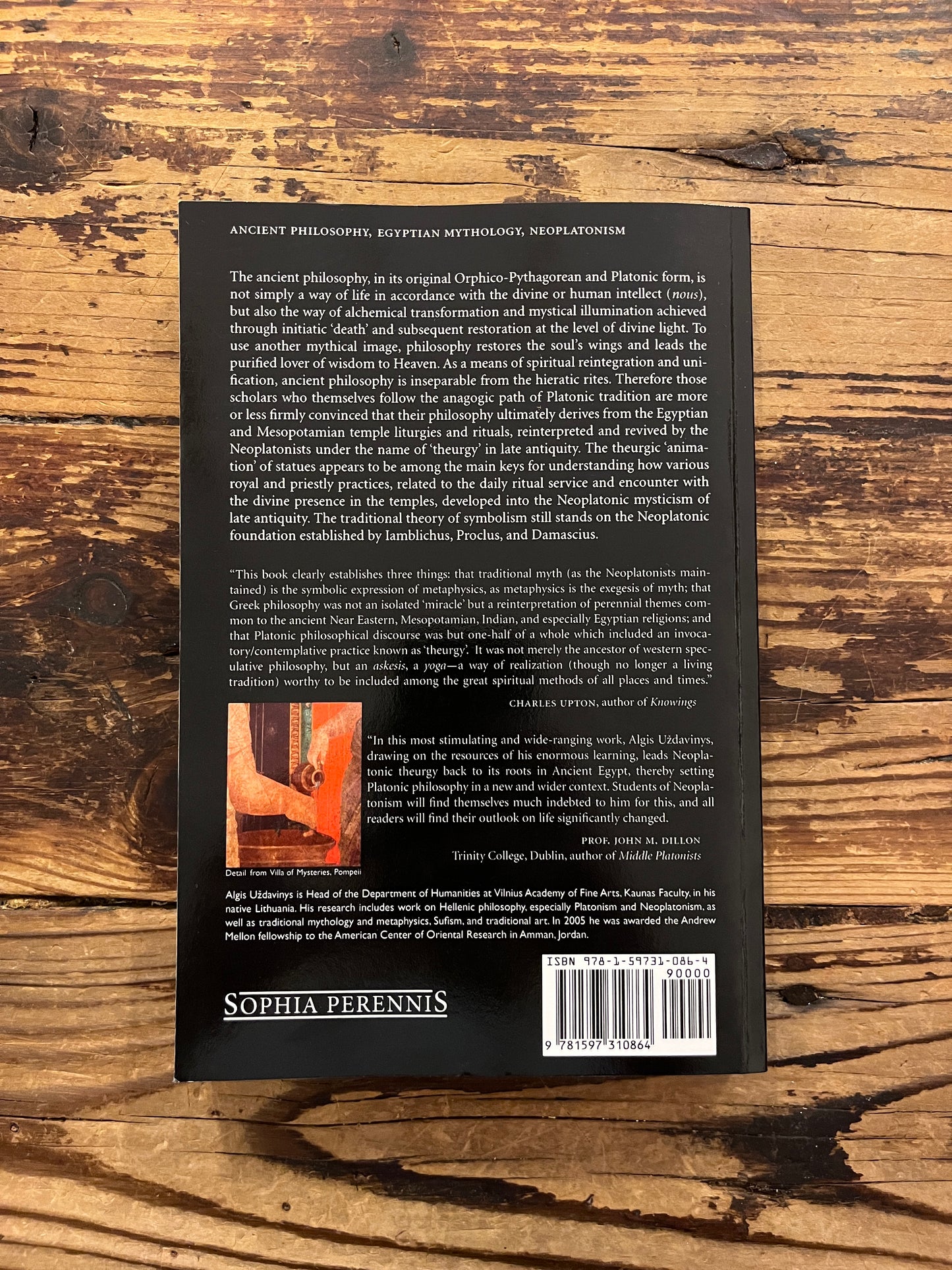
The ancient philosophy, in its original Orphico-Pythagorean and Platonic form, is not simply a way of life in accordance with the divine or human intellect (nous) but also the way of alchemical transformation and mystical illumination achieved through initiatic 'death' and subsequent restoration at the level of divine light. To use another mythical image, philosophy restores the soul's wings and leads the purified lover of wisdom to Heaven. As a means of spiritual reintegration and unification, ancient philosophy is inseparable from the hieratic rites. Therefore those scholars who themselves follow the anagogic path of Platonic tradition are more or less firmly convinced that their philosophy ultimately derives from the Egyptian and Mesopotamian temple liturgies and rituals, reinterpreted and revived by the Neoplatonists under the name of 'theurgy' in late antiquity. The theurgic 'animation' of statues appears to be among the main keys for understanding how various royal and priestly practices, related to the daily ritual service and encounter with the divine presence in the temples, developed into the Neoplatonic mysticism of late antiquity. The traditional theory of symbolism still stands on the Neoplatonic foundation established by lamblichus, Proclus, and Damascius.
Details
- Paperback
- Condition: Very good
- ISBN: 9781597310864
- Publishing House: Sophia Perennis